


How Often Should You Calibrate A Gas Detector?
"How often do we really need to calibrate these?"
If there is one question that safety managers and instrumentation engineers ask us more than any other, it is this one. It usually comes from a place of frustration. Calibration takes time, requires expensive specialty gas cylinders, and pulls critical equipment—or workers—out of the field.
If you look at a standard manual, the boilerplate answer is usually somewhere between 30 and 180 days. But treating calibration as a rigid, calendar-only event is a mistake. The real answer depends entirely on the environment your detectors live in, and more importantly, the technology inside them.
Here is how you should actually be determining your calibration intervals—and how modern sensor architectures are flipping the old rules upside down.
The Baseline: When in Doubt, Look at the Data
While manufacturer recommendations (typically 30, 90, or 180 days) are your regulatory baseline, your operational reality should dictate your actual schedule. You need to calibrate more frequently if your detectors experience:
Environmental Extremes: Extreme temperature swings, high humidity, or heavy particulate environments degrade sensor membranes and electrolytes much faster than controlled environments.
Frequent Gas Exposure: If a detector is constantly exposed to background levels of the target gas (or over-ranged by a massive leak), the sensor is working overtime. This accelerates "drift" (loss of accuracy) and mandates a fresh calibration.
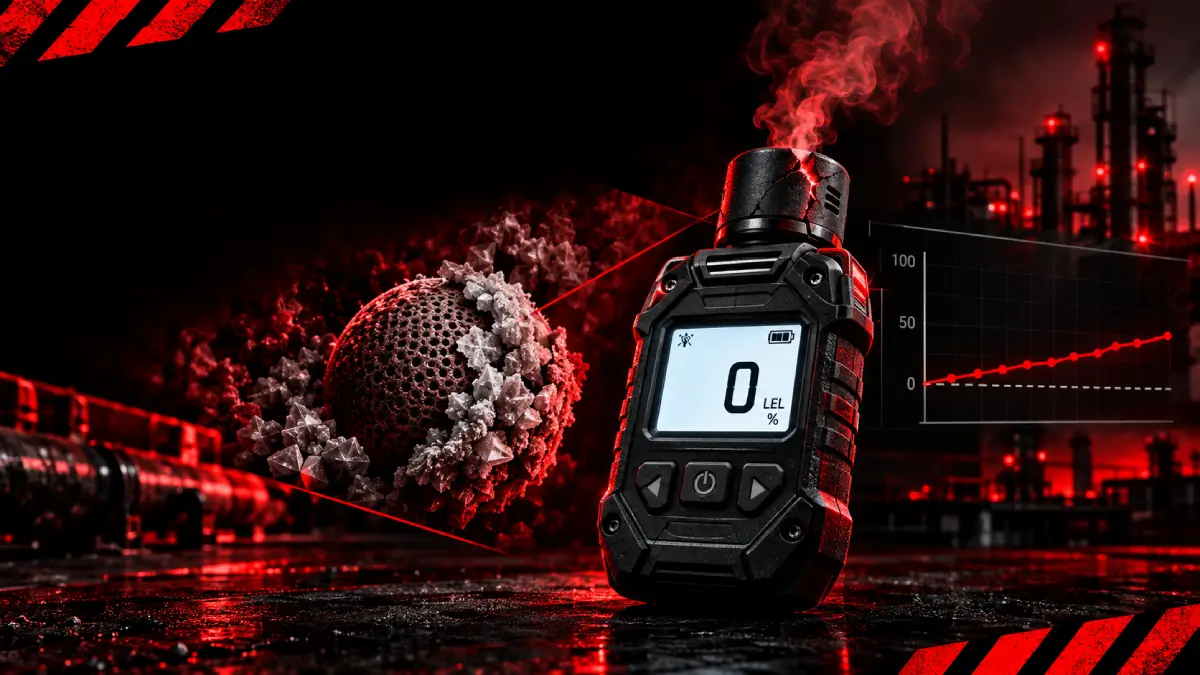
Sensor Poisoning: Traditional Catalytic Bead (pellistor) sensors used for combustible gases can be permanently poisoned by trace amounts of silicones, lead, or heavy sulfides. If these are present in your facility, your calibration intervals need to shrink dramatically to catch dead sensors.
The Golden Rule: Regardless of what the calendar says, if a detector ever fails its daily bump test, it must be calibrated immediately before returning to service.
The Problem with Legacy Tech
For decades, the industry has relied on electrochemical cells for toxic gases and catalytic beads for combustibles. While effective, they are high-maintenance by nature. They consume themselves as they operate, meaning they constantly drift.
If you are using legacy transmitters, you are essentially locked into a high-frequency calibration loop just to compensate for this inherent drift. The more drift your sensors experience, the more false alarms you get, and the more trust your workers lose in the equipment.
The Paradigm Shift: Modern Solutions for Reduced Maintenance
At Respo Products, we focus on helping teams move away from high-maintenance legacy constraints.
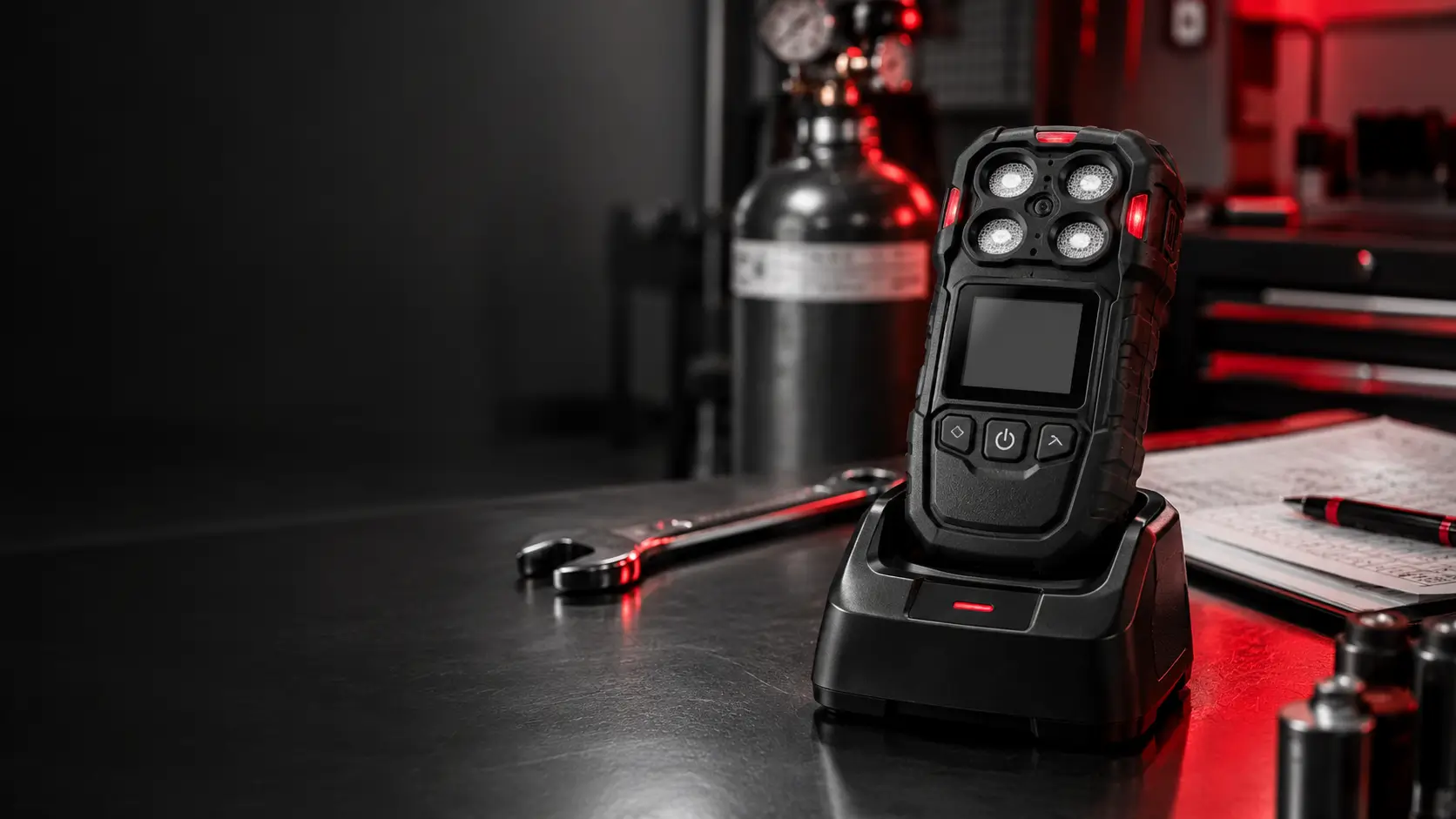
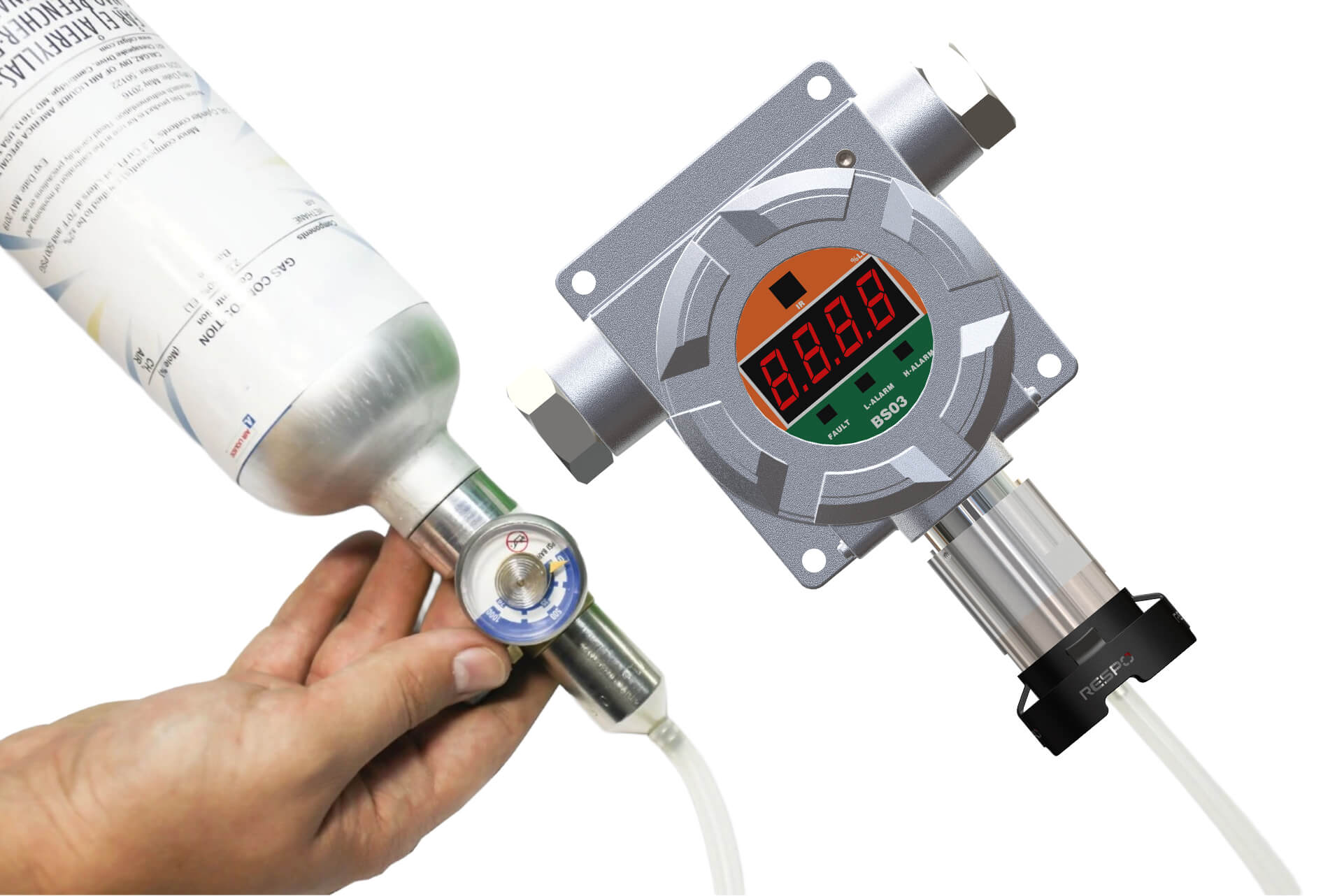
For instance, modern automated solutions are actively removing the friction of manual calibration. Utilizing automated multi-docking stations, such as those available for the Senko SP-MGT Multi-Gas Detector, allows for simultaneous testing and calibration of multiple units, drastically reducing fleet downtime. Similarly, instruments like the UNOIQ single-gas monitor feature rapid, automated calibration processes that take the human error out of the equation.
Beyond docking stations, the industry is seeing a massive shift toward solid-state technologies. Optical technologies, like Non-Dispersive Infrared (NDIR) sensors, and newer innovations like Molecular Property Spectrometers (MPS), simply do not drift the way older sensors do. They are not susceptible to poisoning, meaning they remain stable for incredibly long periods, cutting your maintenance overhead to a fraction of what legacy devices demand.
Stop Babysitting Your Sensors
Calibration will always be a critical pillar of functional safety. But you shouldn't have to calibrate constantly just to cover up the inadequacies of aging sensor technology.