


The Gas Safety Baseline: Bump Test Vs. Calibration (And Why You Need Both)
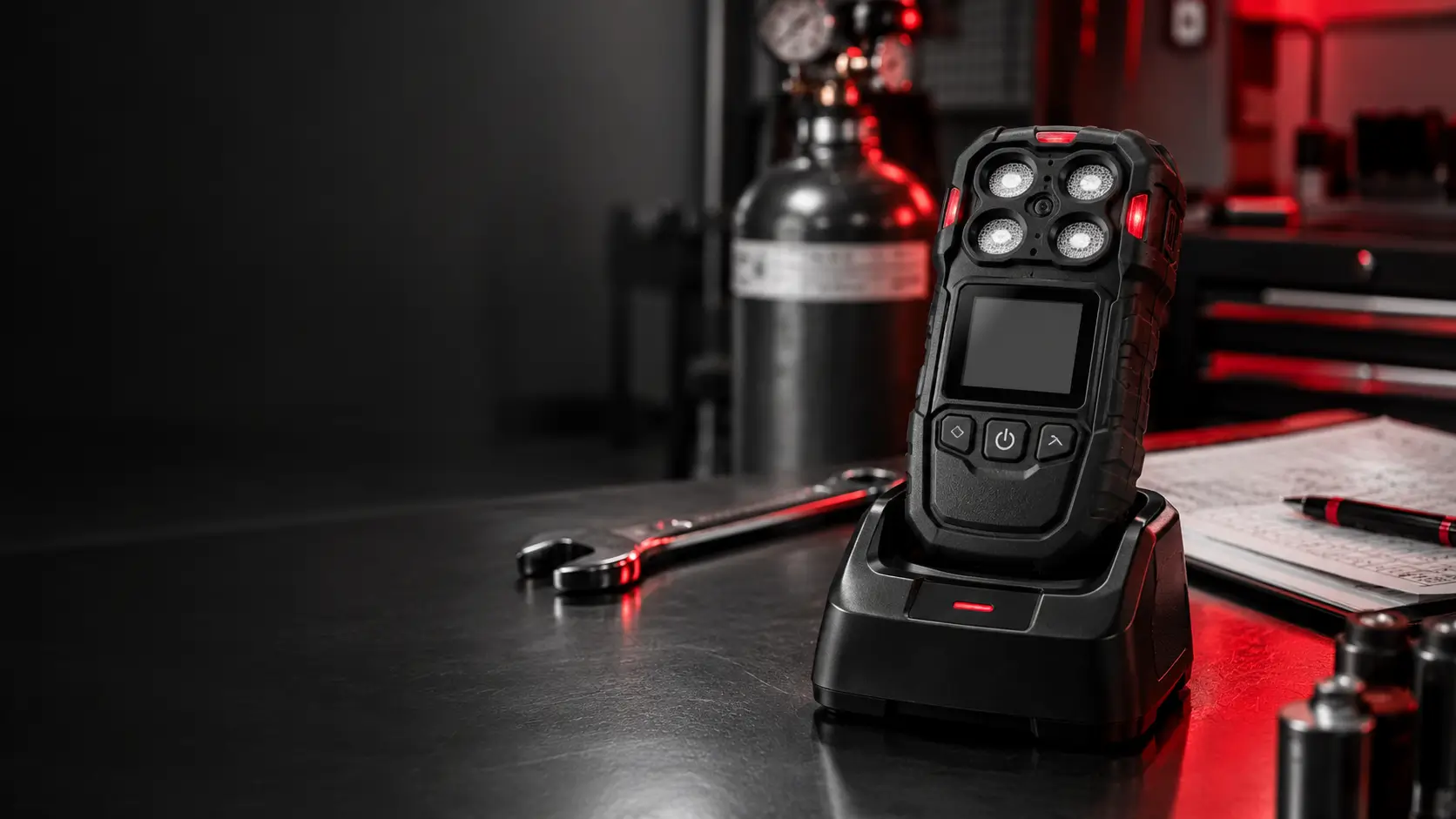
You pull a portable gas detector off the charging rack. The screen turns on, the battery shows full, and there are no error codes. Is it safe to use?
If your answer is "yes," your team is at risk. A functioning screen does not mean a functioning sensor. This brings us to the two most misunderstood, yet absolutely critical, maintenance procedures in gas detection: the Bump Test and Calibration.
Too often in the field, we see operators treating these terms interchangeably or assuming that doing one negates the need for the other. Understanding the distinction isn't just about compliance; it is the fundamental baseline of a functional safety culture.
What is a Bump Test? (The Quick Health Check)
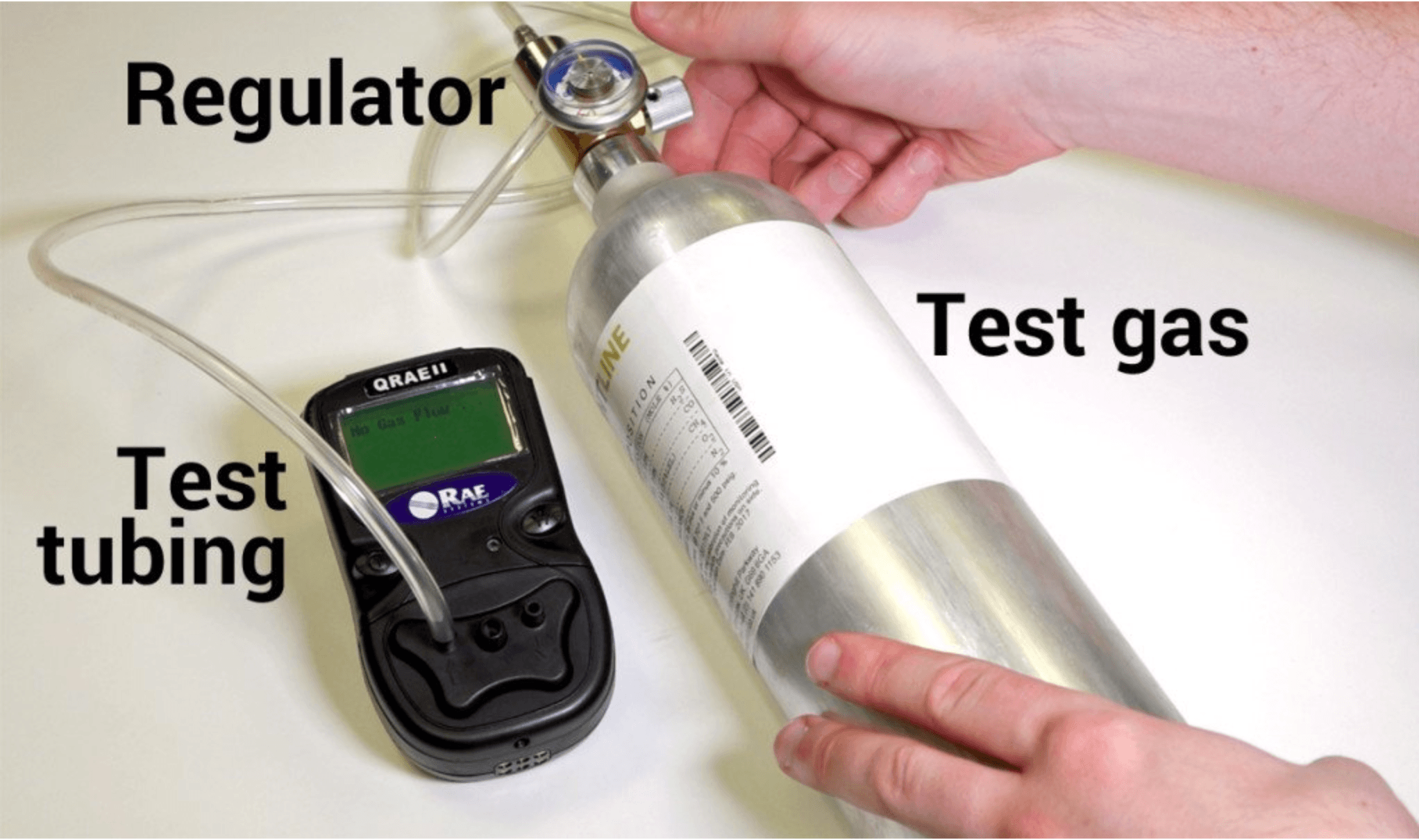
A bump test is a purely qualitative check. You briefly expose the detector to a known concentration of target gas that explicitly exceeds the device's alarm setpoints. The goal is binary and simple: verify that the gas can physically reach the sensor, that the sensor reacts, and that all the alarms (audible, visual, and vibrating) actually trigger. It does not measure accuracy.
Think of a bump test like honking your car horn before a drive. You know the horn works and makes a loud noise, but testing the horn tells you absolutely nothing about how fast you're driving.
Because physical blockages can happen at any time, industry best practice dictates running a bump test before every single day's use.
What is Calibration? (The Precision Tune-Up)
Calibration, on the other hand, is a quantitative adjustment. Over time, sensors undergo "drift." This loss of sensitivity happens naturally due to environmental factors, chemical degradation, extreme temperatures, or simply sensor age. Calibration involves exposing the sensor to a certified concentration of calibration gas and physically adjusting the instrument’s reading to match that exact value.
If the bump test is honking your horn, calibration is taking your car into the shop to get the speedometer recalibrated so that 60 mph on the dial is actually 60 mph on the road.
Depending on the sensor technology and manufacturer guidelines, calibration is typically required every 30 to 180 days, or immediately if a device happens to fail its daily bump test.
The Danger of Confusion
The real danger arises when a safety team assumes a successful bump test means the device is perfectly accurate, or conversely, when they think a recent calibration means they can skip their daily bump tests.
If mud, dust, or water clogs a sensor's filter membrane on a Tuesday, a perfect calibration done on Monday won’t help your worker on Wednesday. Only a daily bump test catches that physical blockage. On the flip side, routinely skipping calibration means your sensor might slowly lose sensitivity over months, proudly displaying a safe 5 ppm when the real environment is sitting at a fatal 20 ppm.