


The Deep End: Are You Equipping Your Team For Confined Space Entry Correctly?
Confined space entry is arguably the most unforgiving operation on any industrial site. A tank, a vault, or a silo might look clear from the outside, but the atmosphere inside is entirely unpredictable. Toxic gases can pool in invisible layers, and oxygen can be silently displaced in minutes.
When things go wrong in a confined space, they go wrong instantly. And all too often, the tragedy isn't caused by a lack of gas detection—it's caused by having the wrong type of gas detection, or using it incorrectly.
Here is what you need to consider before signing that next Confined Space Entry (CSE) permit.
The Pre-Entry Crux: Why You Need a Pump
One of the most dangerous things an operator can do is clip a standard, passive diffusion monitor to their collar and just climb down the ladder.
Before anyone breaks the plane of a confined space, the atmosphere must be tested from the outside. Gases stratify based on their vapor densities:
- Lighter-than-air gases (like Methane) pool near the top.
- Similar-to-air gases (like Carbon Monoxide) hang in the middle.
- Heavier-than-air gases (like Hydrogen Sulfide) sink to the very bottom.
Dropping a monitor on a string is a recipe for broken equipment. Instead, you need a detector with a motorized sampling pump and a probe. An integrated pump actively draws the air sample up tubing from various depths, allowing the attendant to read the stratified layers safely from the outside.
If your site deals with complex petrochemicals or specific solvents, specialized pumped units like the Senko V-Pro VOC Gas Detector are critical for drawing accurate, real-time Volatile Organic Compound samples out of hard-to-reach areas before entry.
Inside the Space: Continuous Personal Monitoring
Once the space is cleared for entry, the pumped unit has done its job. But the environment inside a confined space is dynamic. Sludge removal, welding, or scraping can release trapped gases that weren't there during the pre-entry test.
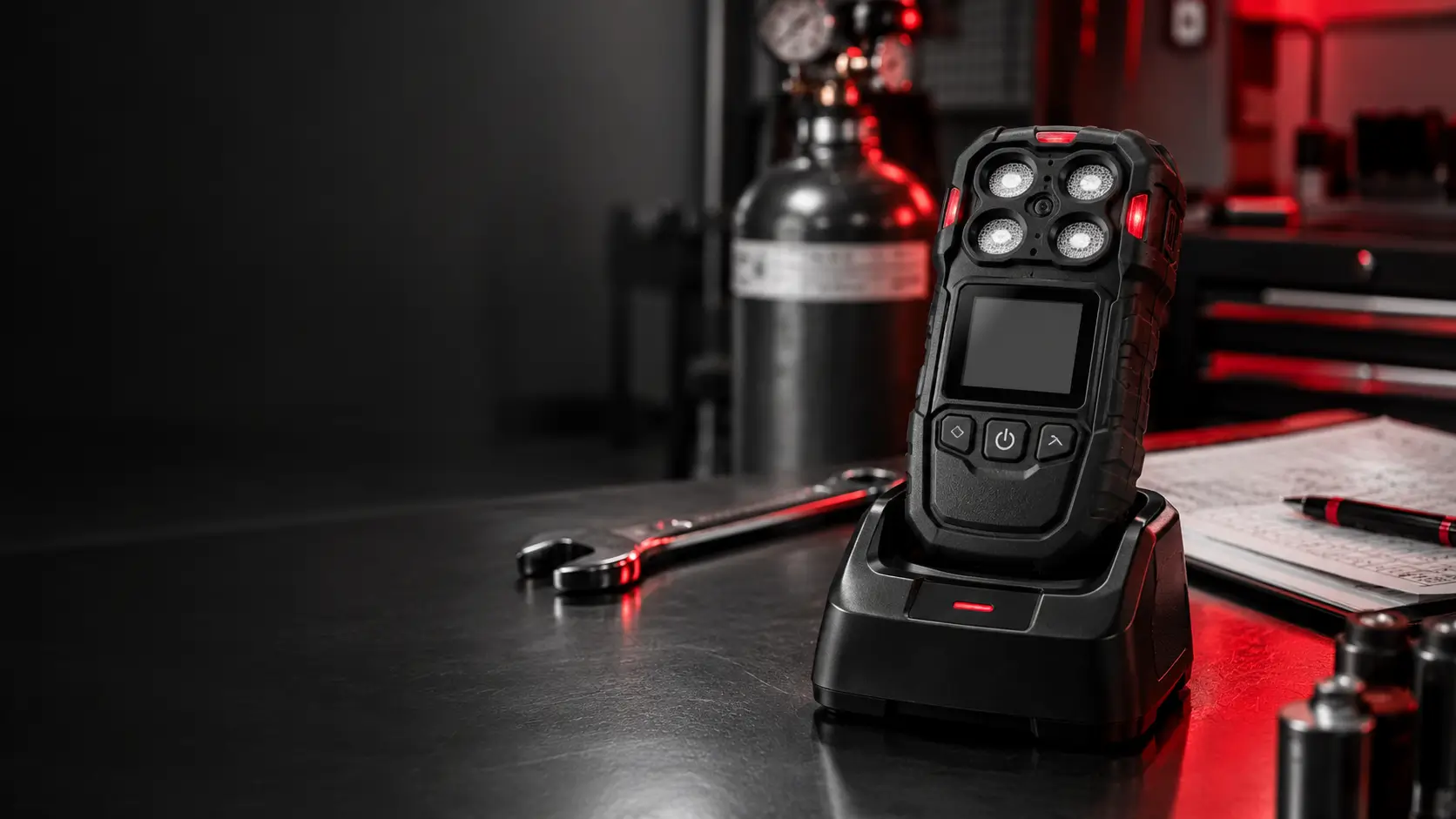
Every single worker inside the space must wear their own continuous, active personal monitor. The standard baseline is a reliable 4-gas monitor (checking for O2, LEL, H2S, and CO) like the BELL LITE. It must feature aggressive localized alarms—we’re talking 100dB buzzers and vibrating alerts—so the worker knows to evacuate immediately if the atmosphere shifts over their shoulder.
The Evolution of the "Hole Watch"
Traditionally, the "hole watch"—the attendant standing outside the confined space—relied purely on line-of-sight and verbal communication to know if the entrant was safe. If the worker passed out, the attendant often didn't know why, leading to the devastating phenomenon of "would-be rescuer" fatalities.
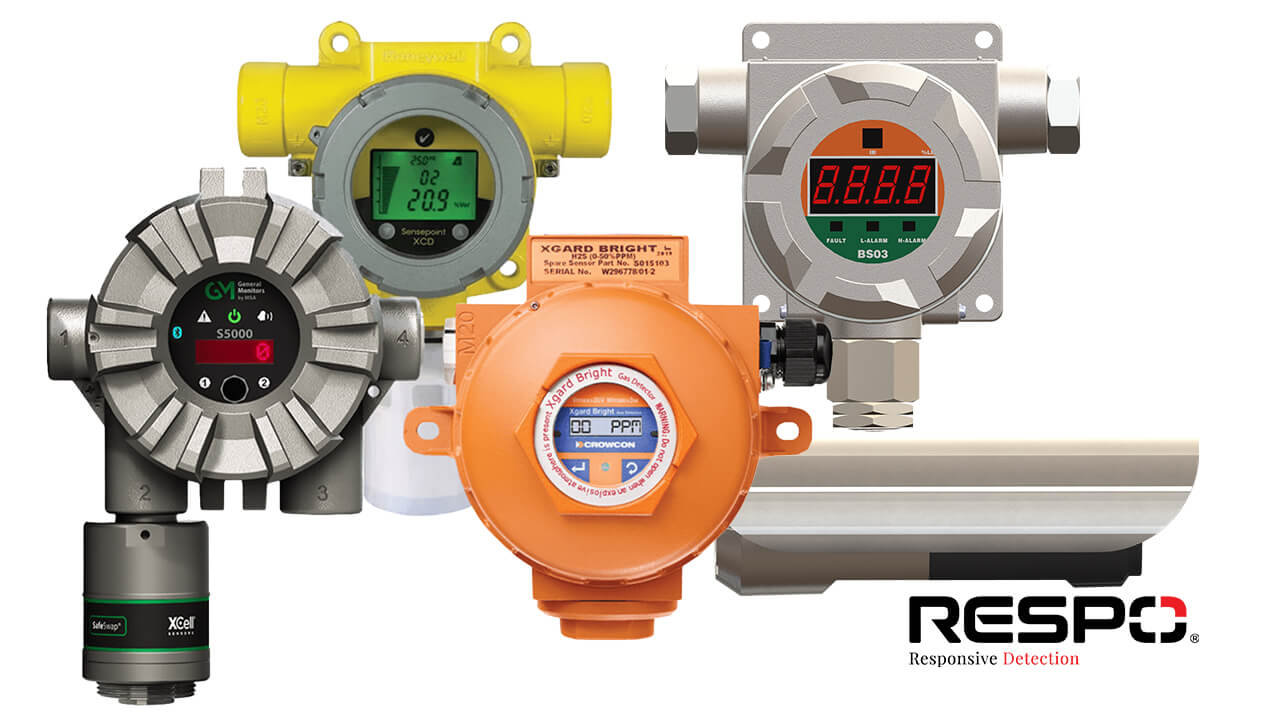
Modern safety strategy bridges this gap using connected area monitors. Deploying a rugged, configurable area monitor like the Crowcon Detective IQ just outside the entryway fundamentally changes the game. With seamless connectivity and massive visual/audible alarms, it ensures that if the worker inside goes down, the attendant outside immediately sees the gas readings and the alarm status, preventing them from blindly rushing into a fatal atmosphere.
The Bottom Line
Confined space entry isn't just another routine task; it is a highly engineered procedure that requires highly engineered tools.
You need a pump to clear the air, a personal diffusion monitor to guard the worker, and a connected area system to protect the team outside. Taking shortcuts on any of these three pillars is gambling with your team's lives