


What Is LEL, PPM, And VOL%? A Simple Guide For Buyers And Safety Teams
When it comes to gas detection, one of the most common sources of confusion isn’t the technology—it’s the units. Terms like LEL, PPM, and VOL% are frequently used in specifications, reports, and safety guidelines, but not everyone clearly understands what they mean or when to use them.
If you're responsible for purchasing gas detectors or ensuring workplace safety, understanding these units is essential. Here’s a straightforward guide to help you make informed decisions.
1. What Is LEL (Lower Explosive Limit)?
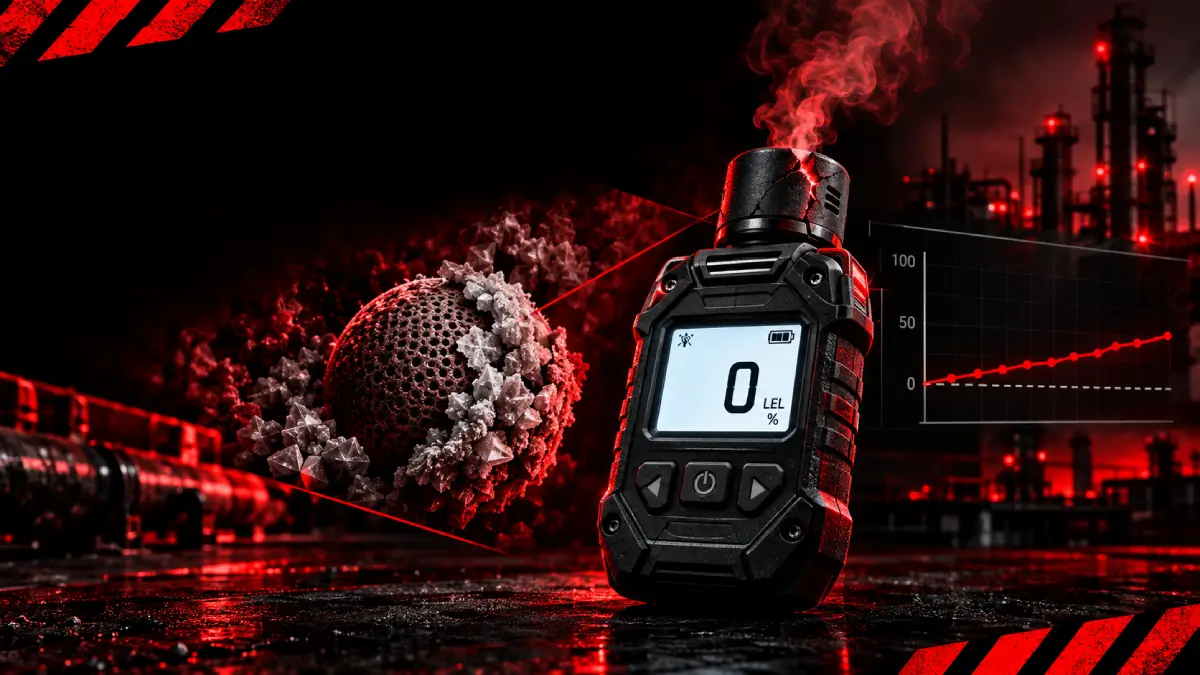
LEL measures how close a gas concentration is to becoming explosive.
- Expressed as a percentage of the Lower Explosive Limit (%LEL)
- Indicates the minimum concentration of a gas in air that can ignite
👉 Example:
Methane has an LEL of 5% volume in air
- 100% LEL = 5% methane in air
- 50% LEL = 2.5% methane
Why it matters:
LEL is critical in environments where flammable gases are present—like oil & gas, chemical plants, and confined spaces. Detectors typically alarm at 10–20% LEL to prevent explosions before they become possible.
2. What Is PPM (Parts Per Million)?
PPM measures very low concentrations of gas—usually toxic gases.
- 1 PPM = 1 part of gas per 1,000,000 parts of air
- Used for gases that are harmful even in tiny amounts
👉 Example:
- Carbon Monoxide (CO): Exposure limits often start around 25–50 PPM
- Hydrogen Sulfide (H₂S): Dangerous at 10–20 PPM
Why it matters:
PPM is essential for health and safety monitoring, especially for toxic gases. Even small increases can pose serious risks over time or immediately.
3. What Is VOL% (Volume Percent)?
VOL% measures the total concentration of a gas in air as a percentage.
- 1 VOL% = 1 part gas per 100 parts of air
- Used for high concentrations of gases
👉 Example:
- Oxygen levels are typically monitored in VOL%
- Normal air = 20.9% VOL oxygen
- Below 19.5% VOL = oxygen-deficient (unsafe)
Why it matters:
VOL% is used when gas levels are too high for PPM and beyond explosion thresholds. It’s common for oxygen monitoring or inert gas environments.
Quick Comparison
| Unit | Measures | Typical Use Case |
|---|---|---|
| LEL | Explosion risk | Flammable gases (methane, propane) |
| PPM | Toxic exposure (low levels) | CO, H₂S, NH₃ |
| VOL% | High gas concentration | Oxygen levels, inert gases |
How to Choose the Right Measurement for Your Site
When selecting a gas detector, the unit isn’t just a technical detail—it directly impacts safety:
- Use LEL → If explosion risk is your primary concern
- Use PPM → If worker health and toxic exposure are critical
- Use VOL% → If monitoring oxygen or high gas concentrations
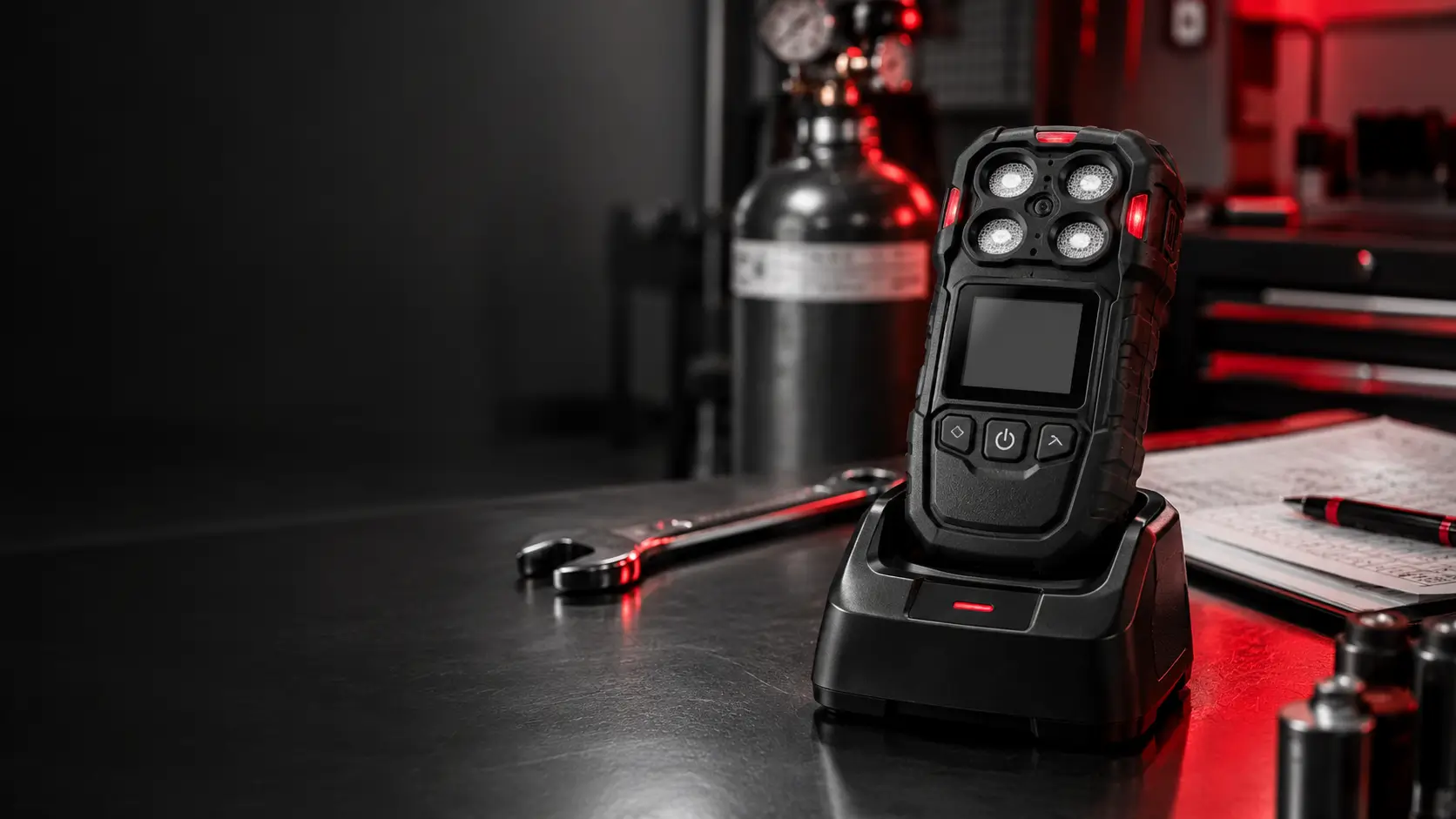
In many cases, multi-gas detectors combine all three, giving a complete safety picture.
Final Thought
Understanding LEL, PPM, and VOL% isn’t just for engineers—it’s essential knowledge for buyers, safety managers, and decision-makers. Choosing the wrong measurement can mean missing a critical hazard.
The right unit ensures you’re not just detecting gas—but detecting the right risk at the right time.