


Detecting Hydrogen Leaks: Challenges, Risks, And Best Practices
Respo Products | Safety Insights
A Leak You Can't See, Smell, or Hear
Every gas leak is a problem. A hydrogen leak is a problem with the warning labels removed. It is colourless, odourless, and tasteless, so human senses give you nothing. And because hydrogen is the smallest molecule in existence, it finds its way out through seals, fittings, threaded joints, and micro-cracks that would comfortably hold back natural gas.
As hydrogen scales across the energy transition - electrolysers, storage, refuelling, and pipeline blending - leak detection becomes the discipline that separates a safe operation from a headline. This piece looks at why hydrogen leaks are hard to detect, where they actually occur, and how to build detection systems that work.
Why Hydrogen Leaks Are So Hard to Detect
Three things make hydrogen uniquely slippery:
It leaks through almost anything. Its tiny molecular size means higher permeation and diffusion rates than any other fuel. A connection that is "tight enough" for methane can still weep hydrogen.
It rises and hides. Far lighter than air, hydrogen doesn't pool at floor level where many detectors sit - it collects at ceilings, roof apexes, and the tops of enclosures. A sensor in the wrong place will never see it.
It attacks its own container. Hydrogen embrittlement degrades certain metals over time, with long-term exposure promoting cracking and fatigue in pipelines and tanks. In other words, hydrogen can quietly create the leak path it then escapes through - which is why detection must be paired with material selection and integrity monitoring.
The Risks: Low Energy, Wide Range, Invisible Flame
When a hydrogen leak finds an ignition source, the consequences escalate fast:
- Wide flammable range - 4% to 75% in air, one of the broadest of any fuel.
- Tiny ignition energy - around 0.02 mJ, so a static spark is enough.
- Nearly invisible flame - a hydrogen fire can burn with almost no visible light.
- Confined accumulation - in an enclosed or poorly ventilated space, a small leak can build to an explosive concentration before anyone is aware.
The lesson from accident data is sobering and useful: dispensers and compressors are the equipment most often involved in hydrogen leak incidents, and roughly a third of leaks originate from the safety systems themselves - relief valves, vents, and purge lines. Detection strategy has to watch the safeguards, not just the process.
Best Practices for Hydrogen Leak Detection
1. Mount detectors high - and close to the source. Because hydrogen rises, fixed detectors should be installed at ceiling level, at roof peaks, and at the tops of enclosures. As a rule of thumb, position sensors within 1-2 metres of likely leak points such as compressors, valves, flanges, and storage connections.
2. Use layers, not a single technology.No one sensor does everything. A robust hydrogen site combines:
| Method | What It's Good For |
|---|---|
| Catalytic bead / MPS | Combustible hydrogen up to the LEL; MPS adds stability and no routine recalibration |
| Electrochemical | High-sensitivity early warning at low concentrations |
| Ultrasonic (acoustic) leak detection | "Hears" the high-frequency sound of a pressurised release - works in open, well-ventilated areas where gas disperses before reaching a point sensor |
| Flame detection (UV / multi-spectrum) | Catches the near-invisible hydrogen flame |
| Thermal conductivity | Higher-concentration and purge/inerting measurement |
Ultrasonic detection deserves special mention for hydrogen: in open or breezy outdoor settings, escaping gas can disperse before it ever reaches a point sensor. An ultrasonic detector responds to the sound of the leak rather than the gas concentration, providing near-instant warning regardless of wind direction.
3. Avoid the classic sensor mistake. Standard infrared (NDIR) detection does not work for hydrogen - the molecule simply doesn't absorb infrared the way hydrocarbons do. Specifying an IR detector for a hydrogen point is one of the most common and most dangerous early-project errors.
4. Pair detection with ventilation.Detection and dilution work together. Adequate ventilation prevents accumulation; detectors confirm it's working and catch the failure when it isn't. In enclosed spaces, integrating detectors with HVAC and forced ventilation is best practice.
5. Respond fast, alarm clearly. With ignition energy this low, response time is a safety parameter, not a spec-sheet number. Alarms must drive immediate, unambiguous action - isolate, ventilate, evacuate.
6. Test, calibrate, and maintain. A detector is only as trustworthy as its last bump test. Hydrogen sites need disciplined calibration and functional checks, ideally with low-field-maintenance sensors and remote health reporting.
How Respo Helps You Catch Hydrogen Leaks Early
Respo brings 30+ years of gas-detection experience and a technology-agnostic approach - the right sensor for each point, not one box for everything:
- Fixed hydrogen-capable detectors using catalytic, MPS, and electrochemical sensing.
- Flame detectors for the invisible-flame hazard hydrogen uniquely poses.
- remoREAD wireless detection - ATEX and SIL-2 certified, IP68 - for remote storage, refuelling points, and hard-to-cable locations.
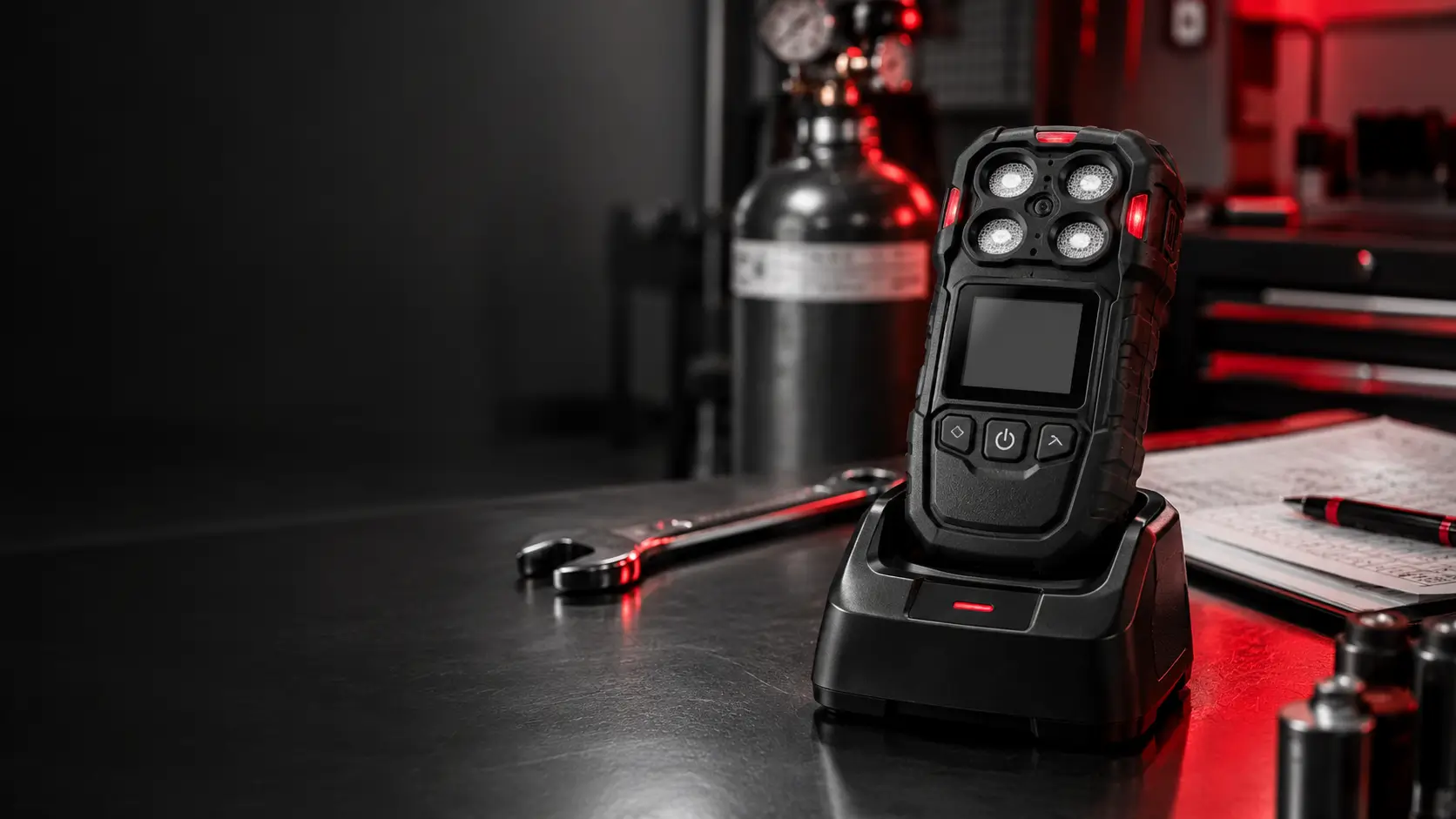
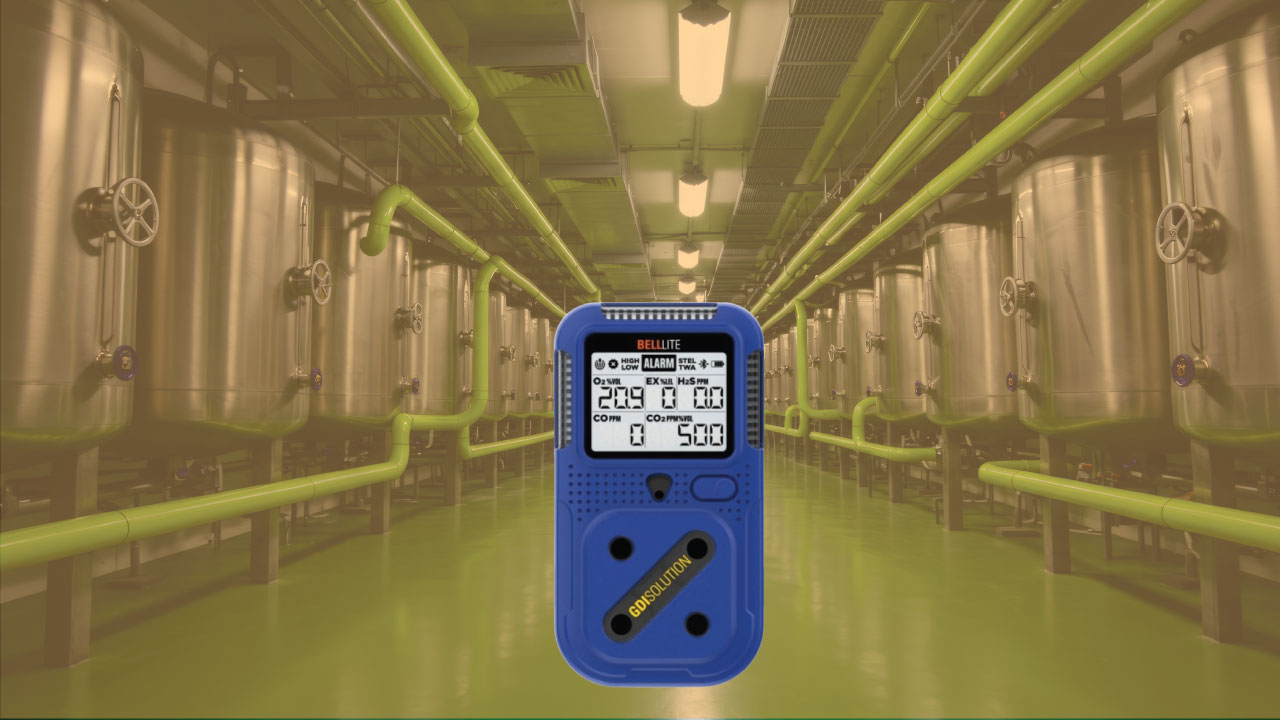
- Portable and area monitors for commissioning, maintenance, and temporary hydrogen worksites.
- Engineering services - leak-source and detector-placement studies, installation and commissioning, ventilation-integrated design, training, and calibration/AMC support.
The Takeaway
Hydrogen leaks are small, silent, invisible, and capable of creating their own escape routes through the metal that contains them. You cannot manage what you cannot detect - and with hydrogen, you genuinely cannot detect it without the right instruments, in the right places, working in layers. Get leak detection right from day one, and the rest of the safety case stands on solid ground.