


Single-Gas Vs Multi-Gas Detectors: How To Choose Correctly
When it comes to gas detection, one of the most common questions safety teams and buyers face is simple: Should we use a single-gas detector or a multi-gas detector?
The answer isn’t always straightforward. Choosing the wrong type can lead to unnecessary costs—or worse, inadequate protection. Let’s break it down so you can make the right decision with confidence.
 What Is a Single-Gas Detector?
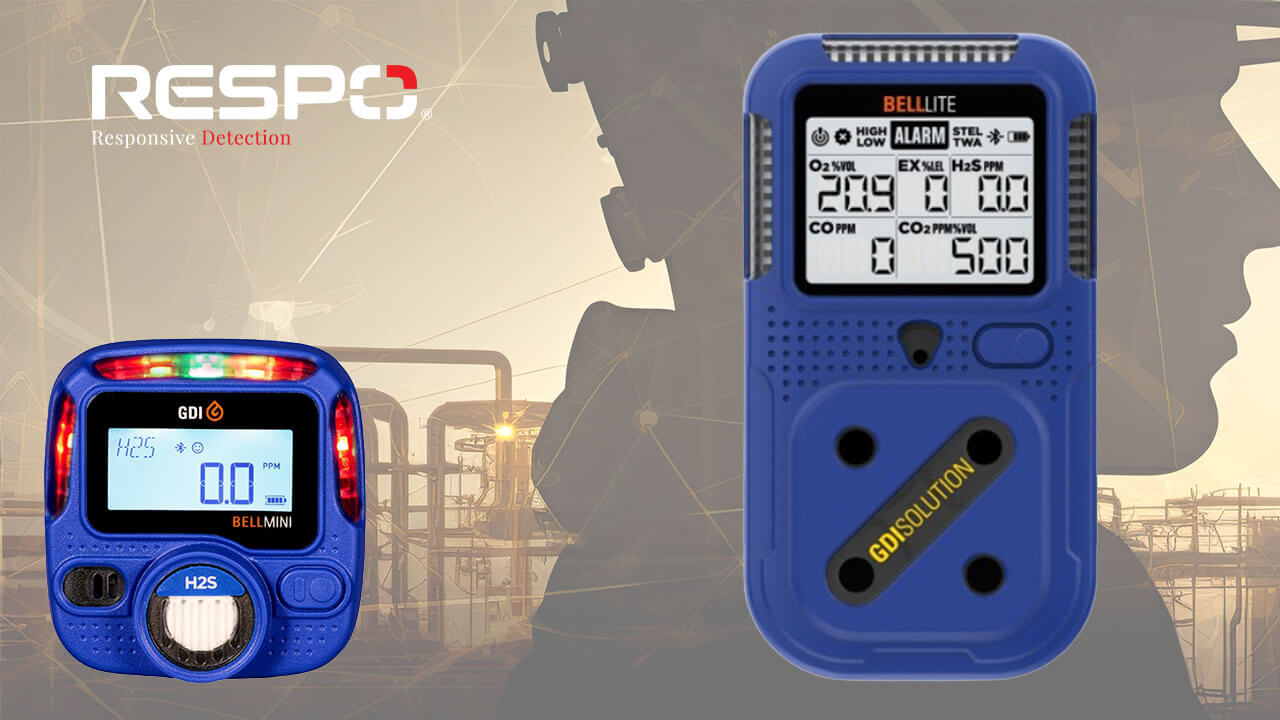
A single-gas detector is designed to monitor one specific gas—such as hydrogen sulfide (H₂S), carbon monoxide (CO), oxygen (O₂), or ammonia (NH₃).
Best suited for:
- Environments where only one hazard is present
- Routine monitoring tasks
- Personal safety in well-defined risk zones
Advantages:
- Simple to use
- Lower cost
- Lightweight and compact
- Minimal training required
Limitations:
- Cannot detect other gases
- Not ideal for dynamic or unknown environments
What Is a Multi-Gas Detector?
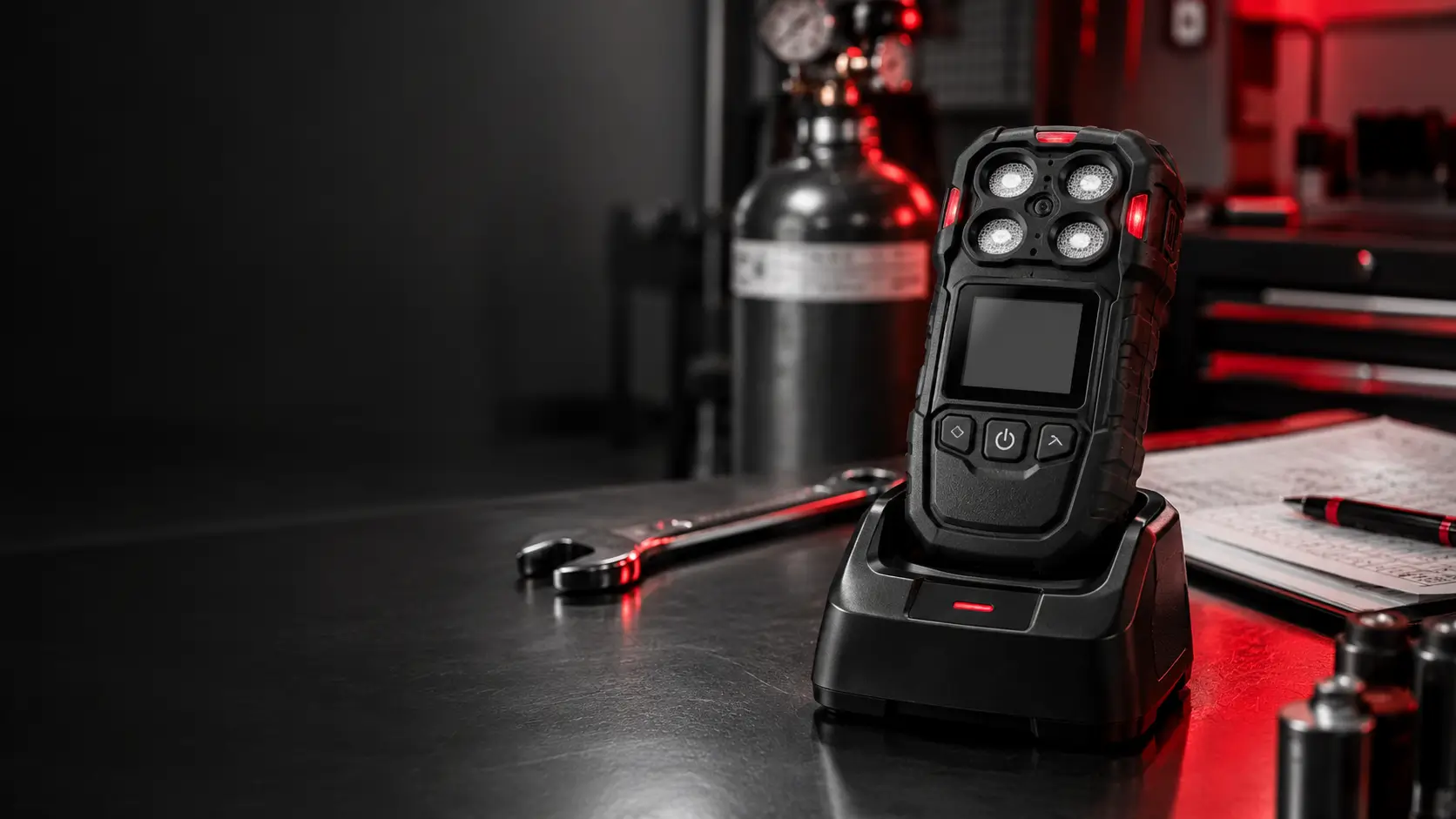
A multi-gas detector can monitor multiple gases simultaneously—commonly a combination of O₂, CO, H₂S, and combustible gases (LEL).
Best suited for:
- Confined space entry
- Industrial plants with multiple gas risks
- Emergency response teams
- Maintenance and inspection work
Advantages:
- Comprehensive protection
- Real-time insights into multiple hazards
- Essential for compliance in many industries
Limitations:
- Higher upfront cost
- Requires more maintenance and calibration
- Slightly more complex to operate
 How to Choose the Right One
Instead of asking “Which is better?”, ask:
1. What gases are present at your site?
- One known gas → Single-gas detector
- Multiple or unknown gases → Multi-gas detector
2. What type of work is being done?
- Fixed, repetitive tasks → Single-gas
- Confined space or variable conditions → Multi-gas
3. What is the risk level?
- Low-risk environment → Single-gas may suffice
- High-risk or life-critical operations → Multi-gas is essential
4. Do regulations apply?
Many safety standards require multi-gas monitoring, especially for confined spaces.
 Real-World Example
- A wastewater worker exposed mainly to H₂S → Single-gas detector works well
- A technician entering a storage tank → Multi-gas detector is mandatory
 Pro Tip for Buyers
Don’t choose based on price alone. A cheaper device that misses a hazard can cost far more in the long run—both financially and in terms of safety.
 Final Takeaway
- Single-gas detectors are ideal for focused, known risks
- Multi-gas detectors are critical for complex, high-risk environments
In safety, clarity matters. When in doubt, it’s always better to monitor more than less.
If you're evaluating gas detection solutions for your site, start by mapping your risks—not your budget. The right choice will become clear.
Want help selecting the right detector for your application? Let’s connect.