


When Wireless Gas Detection Makes More Sense Than Wired Systems
Respo Products | Safety Insights
The Question Isn't "Which Is Better" - It's "Which Fits"
Hardwired gas detection has earned its place. For a permanent process unit with cable trays already in the ground, a 4-20mA or Modbus loop into the control room is rock-solid and well understood.
But that reliability comes with a hidden bill: conduit, glands, junction boxes, cable trays, trenching, and the engineering hours to design and certify it all. On a hazardous-area site, the cable can cost far more than the detector it serves. That is exactly where wireless gas detection stops being a compromise and starts being the smarter engineering choice.
The Real Cost Lives in the Cable
The detector is rarely the expensive part. Installation is. A wired run using just 50-75 feet of conduit can cost well over a thousand dollars per point once labour and materials are counted - and on large oil and gas projects, eliminating wiring has saved operators hundreds of thousands of dollars.
Wireless removes that burden almost entirely: no trenching, no cable schedules, no conduit through a live process area, and dramatically lower retrofit and maintenance costs.
Five Situations Where Wireless Clearly Wins
1. Retrofits and brownfield sites. Adding a detector to a running plant means hot-work permits, shutdowns, and cable routing around existing infrastructure. A wireless node simply mounts and reports - no plant interruption.
2. Remote or hard-to-reach assets. Wellheads, pipeline segments, tank farms, and perimeter points that are kilometres from the nearest control room are painful to cable but easy to cover wirelessly.
3. Temporary and changing layouts. Turnarounds, shutdowns, construction, and hot-work zones need protection that deploys in hours and moves with the job - not fixed infrastructure that's obsolete next month.
4. Geographically spread-out sites. When detection points are scattered, the cumulative cabling cost balloons. Wireless flattens it.
5. Speed of deployment matters. When a hazard is identified today, you want coverage today - not after a cable-design cycle.
"But Is Wireless Reliable Enough?"
This is the fair question - and modern systems answer it well. The right wireless platform is built for industrial duty: redundant communication paths, multi-year battery life, "never sleeps" monitoring, ATEX and SIL-2 certification, and continuous self-diagnostics that report device health, not just gas readings. Reliability today is measured in the same breath as wired systems, not as an afterthought.
The honest answer: wired still makes sense for permanent, high-density, fast-response safety loops tied to shutdown systems. Wireless makes sense almost everywhere else - and often the best architecture is a hybrid of both.
How Respo Delivers Wireless That Holds Up
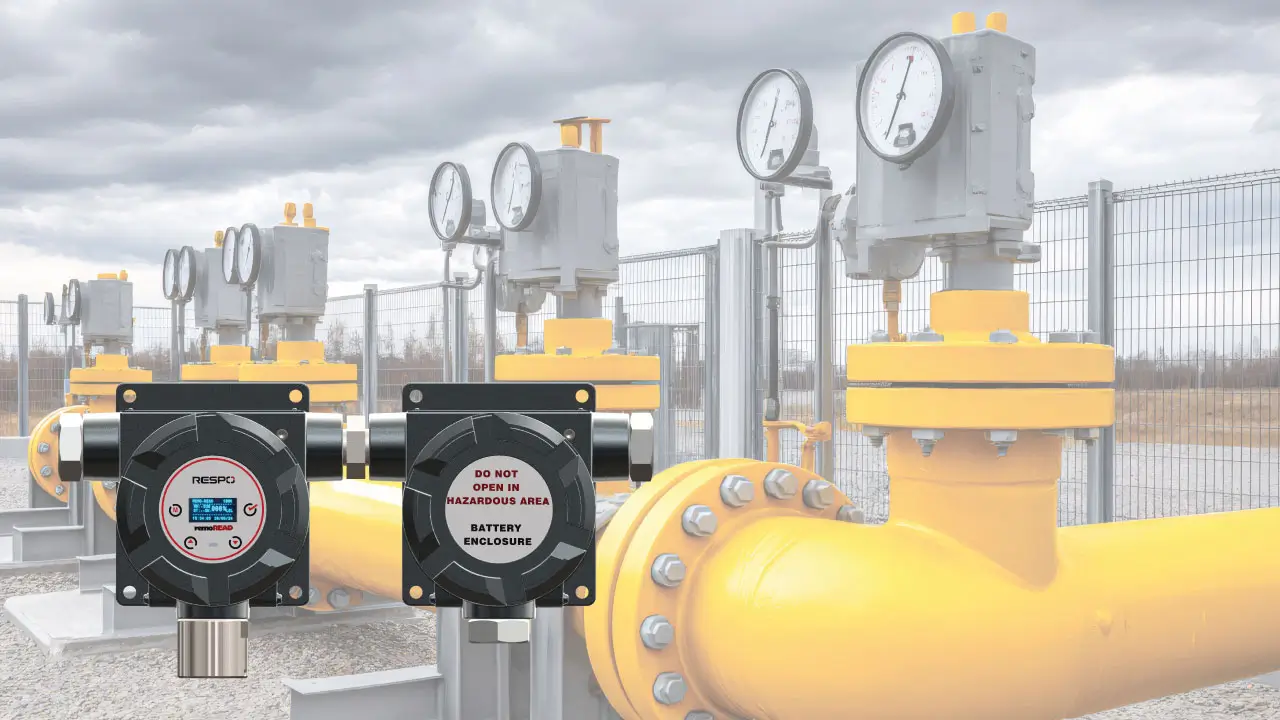
Respo's remoREAD Wireless Gas Detection System is engineered for exactly these scenarios:
- ATEX and SIL-2 certified (IEC 61508:2010), IP68 enclosure - built for hazardous areas.
- No distance limitation between sensor and gateway, with up to 32 nodes per gateway.
- Six+ months battery life on a rechargeable Li-Ion pack, plus an optional solar charging module - and it "never sleeps."
- Redundant dual 4G SIM connectivity, with real-time readings, battery status, and alarms pushed to cloud, SMS, and email - up to 16 mobile numbers.
- SMS alarms even without the gateway, so a single node can stand alone in the field.
- Sensor choice - NDIR or MPS for methane and combustibles, electrochemical for toxics - with MPS needing no calibration and a sensor life beyond 15 years.
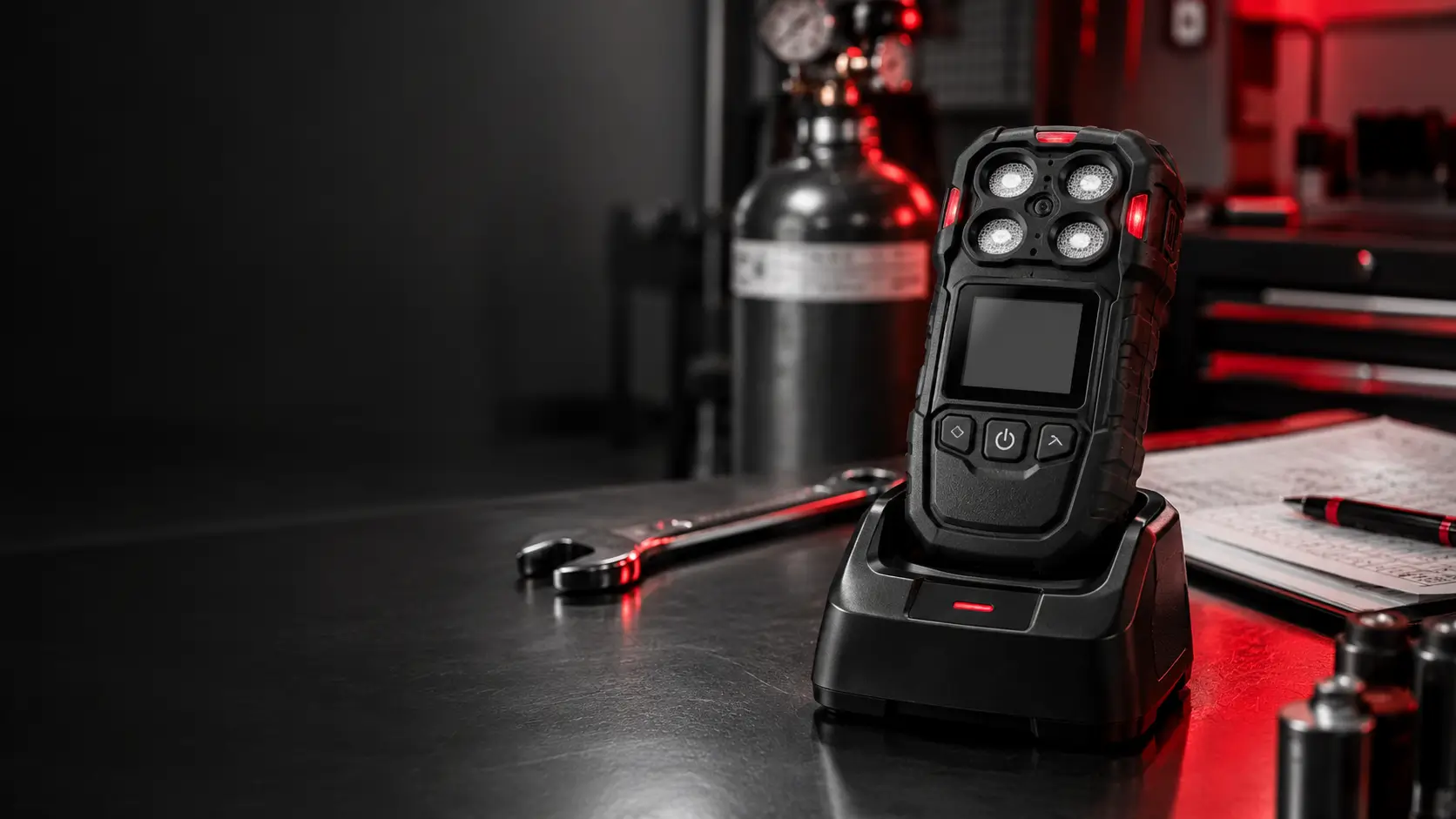
- Non-intrusive magnetic-wand calibration and daily health SMS - minimal field maintenance.
That means coverage for the wellhead, the fenceline, the remote tank, or the temporary worksite - without a single trench.
The Takeaway
Wired isn't wrong. It's just expensive and slow where the site is remote, temporary, spread out, or already built. In those cases, certified wireless detection delivers the same safety outcome - faster, cheaper, and with far less disruption.