


Portable Vs Fixed Gas Detectors: Which One Does Your Site Really Need?
In industries where hazardous gases are a constant risk, choosing the right detection system isn’t just a technical decision—it’s a matter of safety, compliance, and operational continuity.
One of the most common questions safety managers face is:
Should we invest in portable gas detectors, fixed systems, or both?
Let’s break it down.
Understanding the Basics
Portable Gas Detectors
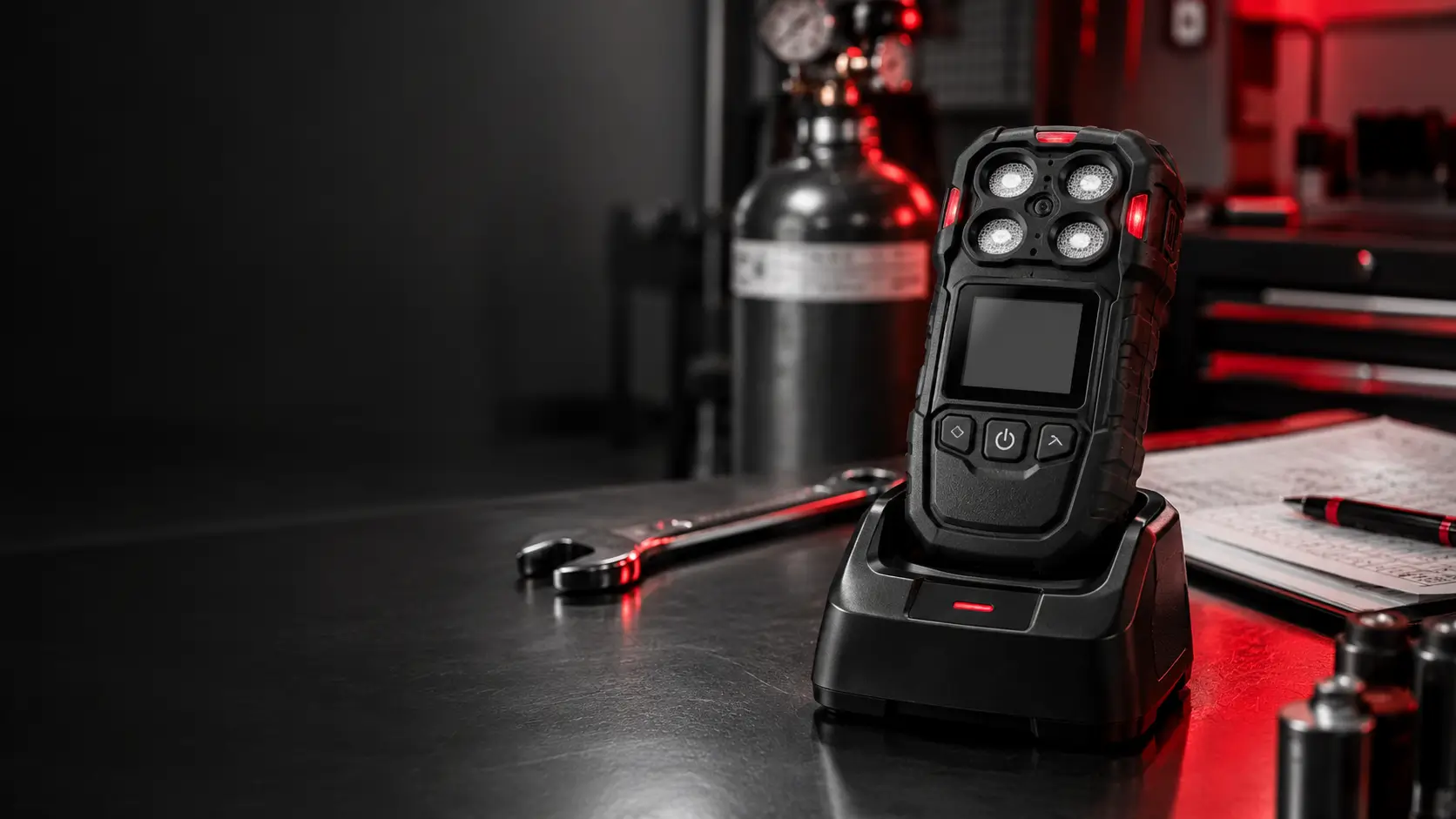
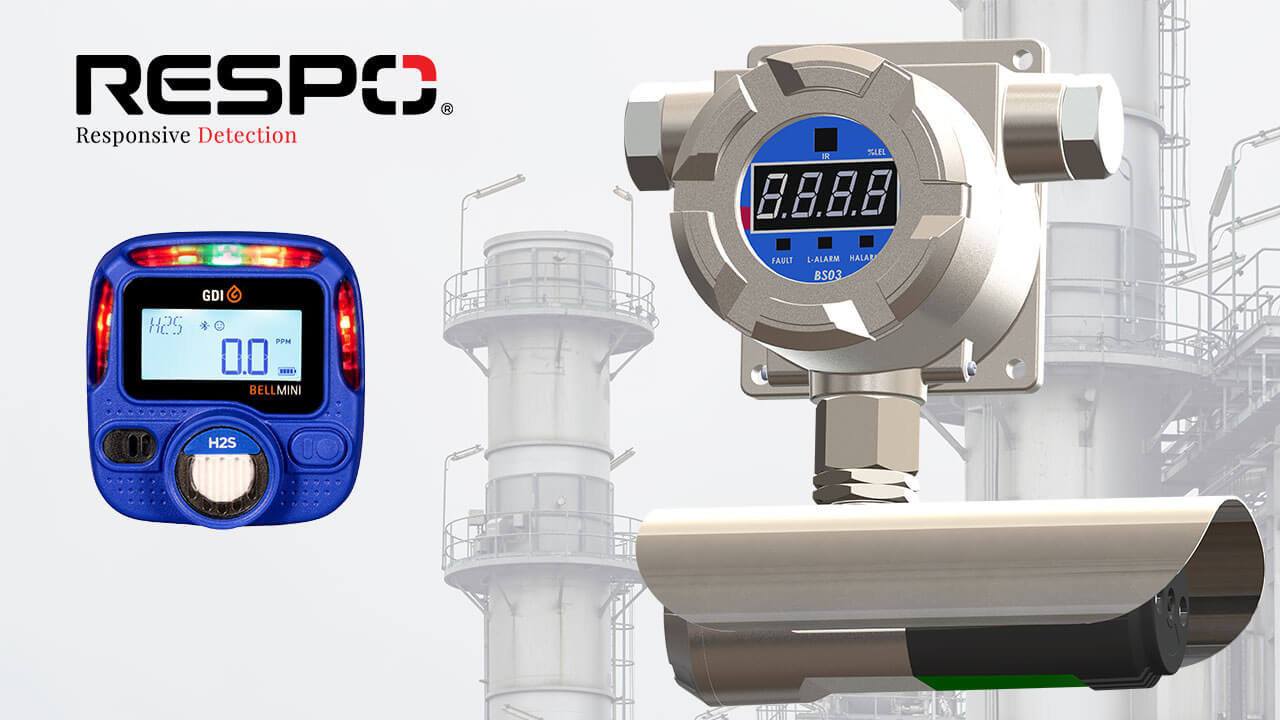
Portable gas detectors are handheld or wearable devices designed for mobility. Workers carry them into confined spaces, remote areas, or during inspections.
Fixed Gas Detectors
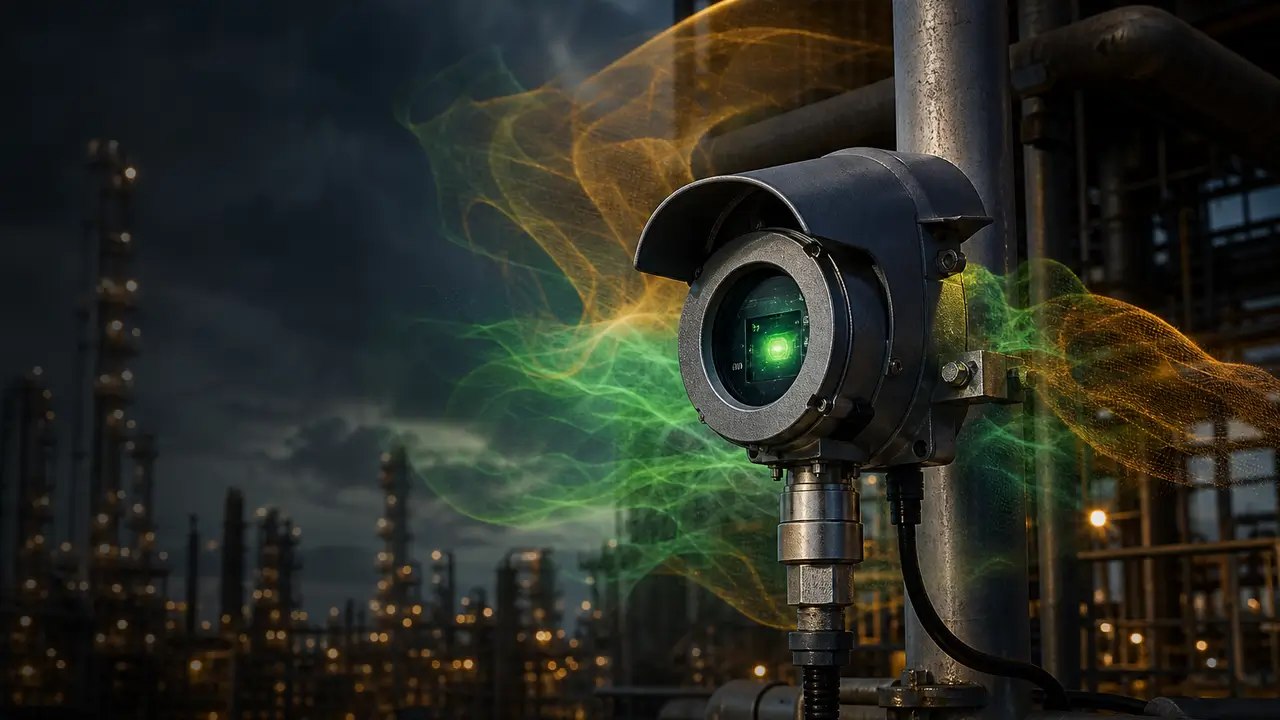
Fixed gas detectors are installed at strategic locations. They continuously monitor specific areas and are often integrated with alarms, control systems, or automatic shutdown mechanisms.
Portable vs Fixed: Key Differences
| Feature | Portable Detectors | Fixed Detectors |
|---|---|---|
| Mobility | High – carried by personnel | None – permanently installed |
| Coverage | Limited to user location | Continuous area monitoring |
| Response Time | Immediate for the user | Immediate for the entire zone |
| Cost | Lower upfront | Higher initial investment |
| Maintenance | Frequent calibration | Scheduled maintenance |
When Portable Detectors Make Sense
Portable detectors are ideal when:
- Workers move across multiple zones or sites
- Tasks involve confined space entry
- Temporary or unpredictable hazards exist
- Maintenance, inspection, or emergency response is required
👉 Think of them as your first line of personal defense.
When Fixed Systems Are Essential
Fixed gas detection systems are critical when:
- There are continuous or predictable gas risks
- Operations run 24/7 in a defined area
- Early warning systems are needed for large teams
- Integration with alarms, ventilation, or shutdown systems is required
👉 These act as your site-wide safety net.
The Reality: It’s Not Either/Or
In most real-world scenarios, the safest approach is a combination of both:
- Fixed systems provide constant monitoring and early alerts
- Portable devices ensure individual worker protection, especially in dynamic environments
Together, they create a layered safety strategy—reducing blind spots and improving response time.
Key Questions to Ask Before Choosing
Before deciding, evaluate your site with these questions:
- What types of gases are present on your site?
- Are risks localized or spread across multiple areas?
- Do workers operate in confined or remote spaces?
- What are your regulatory compliance requirements?
- How critical is real-time system integration?
Final Takeaway
There is no one-size-fits-all solution. The right choice depends on your site’s layout, risk profile, and operational needs.
However, one thing is clear:
Relying on just one type of detection may leave critical gaps in your safety strategy.
If you're evaluating your gas detection setup or planning an upgrade, start by assessing your risks—and build a solution that protects both your people and your operations.
Safety isn’t a device. It’s a system.